In Pakistani culture, izzat (family honour) is one of the most powerful forces shaping how we live. It organises family life, guides our choices, and defines our standing within the biradari. In most ways, it is a source of strength and belonging.
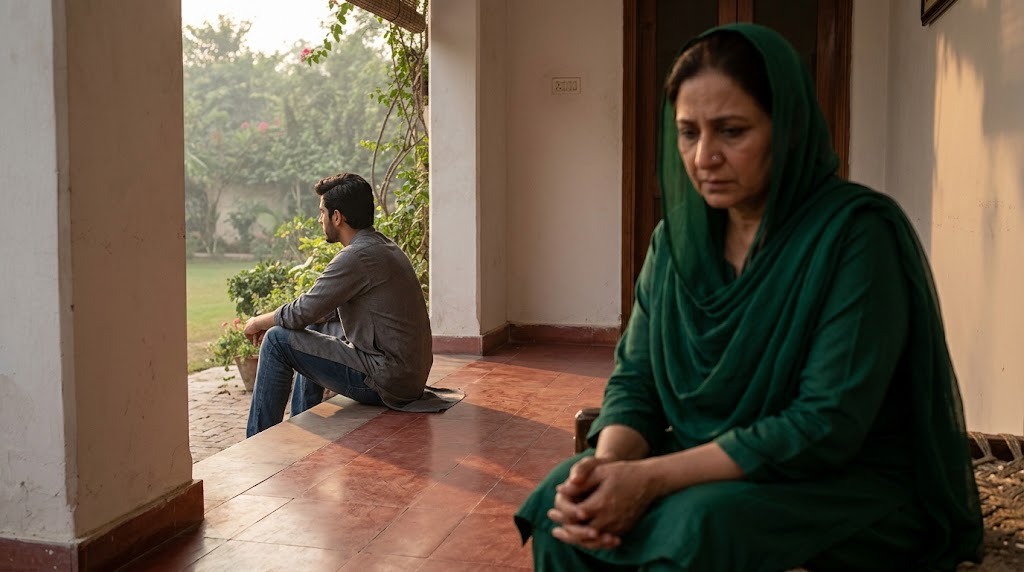
But when addiction enters a home, izzat can quietly become a double-edged sword. The same honour that binds a family together can drive it into a silence of shame, and that silence often delays the very treatment that could save a life. If your family is struggling in private, please know: you are not alone, and there is a way forward.
How Honour Becomes Silence
Several deeply held cultural beliefs turn izzat into a barrier to seeking addiction help for a family member:
Honour is collective, not individual. Unlike the Western idea of personal reputation, izzat belongs to the whole family. One member’s addiction can feel like a disgrace shared by parents, siblings, and the entire kinship network, so the instinct is to hide it.
Addiction is mistaken for a moral failing. Cultural myths often frame addiction as disrespect, poor upbringing, or spiritual weakness, rather than the medical condition it truly is. Families stay silent to avoid the community judging their parenting or their values.
“What will people say?” The pressure of the biradari pushes many families toward denial, concealing a loved one for months or even years to limit the talk. Some also fear that acknowledging addiction will harm the marriage prospects of other siblings.
When Shame Falls Harder on Women
Shame is not shared equally. It is amplified by gender in ways that cause real harm.
A man’s addiction, while still stigmatised, is often excused for longer as “bad company” or “work stress.” A woman’s addiction, however, is hidden far more severely, weighed against cultural expectations of purity and motherhood. The fear of reputational harm can be so intense that women are frequently denied any access to treatment at all. This is one of the quiet tragedies of stigma, and a reason confidential addiction treatment matters so profoundly.
How Silence Derails Recovery
The silence driven by izzat creates concrete obstacles to healing:
Treatment arrives too late. By the time many patients reach a facility, they have been hidden for months or years, allowing the addiction to become more severe and harder to treat.
Recovery is cut short. Families sometimes end treatment early to attend “must-see” events like weddings, preserving the appearance of normalcy. This premature exit frequently leads straight to relapse.
Enabling disguised as protection. To protect the family’s honour, relatives often pay off secret debts or make excuses to employers, unintentionally removing the very consequences that might motivate change.
Reframing Honour to Support Recovery
At Sanctum, we never ask families to abandon their culture. Izzat matters. Instead, we gently help families reframe honour so that it supports recovery rather than blocking it, a core strength of seeking a private recovery retreat built for Pakistani families.
Addiction is a brain condition, not a character flaw. Using the established brain-disease model, clinicians explain that addiction hijacks the brain’s reward and judgment systems. This shifts the story from “bad behaviour” to “medical illness,” easing the family’s sense of moral failure.
Honour is protected by healing, not hiding. Here is the truth we share with every family: izzat is not damaged by treatment. It is damaged by the ongoing chaos of untreated addiction. A family that walks through recovery and welcomes home a healed loved one gains far more honour than one that hid a tragedy in silence.
Faith offers a path back. For Muslim families, the concept of tawbah, the mercy of return, is a powerful reassurance. No one is beyond saving, and no family is placed outside divine mercy. Recovery is a return, not a disgrace.
Breaking the Silence
If shame has kept your family quiet, that silence is understandable, but it doesn’t have to continue. Reaching out for help is not a betrayal of your honour. It is one of the most honourable things a family can do.
At Sanctum Private Rehab, we understand these pressures deeply, because we live within the same culture. Care is delivered with complete discretion and profound respect for your family’s dignity, in a genuinely confidential healing and recovery environment, close to home.
Sanctum Private Rehab offers world-class, private addiction treatment on a secluded 40-kanal estate in Bani Gala, Islamabad. To speak with our admissions team in complete confidence, contact us today.
Mr. Fazal Wahid – Founder & CEO, Sanctum Private Rehab
Architect of the Lifeline Signature Model and a pioneer of system-driven addiction recovery, Fazal Wahid brings world-class, structured care to Pakistan. A King’s College London psychology graduate with postgraduate training in Addiction Science, he has refined 15 years of clinical practice into one teachable system of recovery.
[ Learn more about Mr. Fazal Wahid ]
This article is adapted from Fazal Wahid’s book, Lifeline: The Complete Treatment Model. It draws on his clinical work and is written by the Sanctum team.